
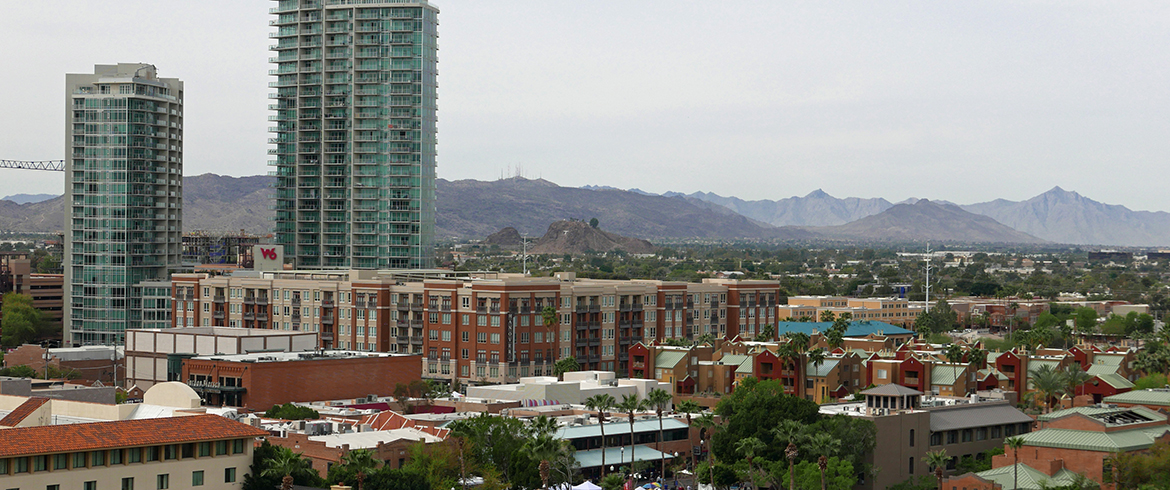
Situated in northwestern Arizona, Kingman Arizona has long served as an important transportation center connecting the Southwest with California and the central United States. The city developed because of railroads, mining, and later the construction of the famous Route 66. Today Kingman is widely recognized as one of the best–preserved Route 66 communities, where historic buildings, museums, and nearby natural landscapes illustrate more than a century of regional history.
History of Kingman
The modern city grew after the arrival of the Atlantic and Pacific Railroad during the 1880s. Rail transportation encouraged mining activity throughout Mohave County while supporting trade and settlement across northwestern Arizona. The community was named after civil engineer Lewis Kingman, who helped survey railroad routes across the region.
Mining camps surrounding Kingman produced gold, silver, copper, and other minerals that contributed to Arizona’s economic development. As transportation improved, businesses, hotels, and public buildings appeared to serve both local residents and travelers.
The opening of Route 66 in 1926 brought another period of growth. The highway connected Chicago with Santa Monica and quickly became one of America’s best–known roads. Thousands of motorists crossed Kingman each year, supporting restaurants, fuel stations, automobile repair shops, and roadside accommodations that became characteristic features of Route 66 communities.
Historic Downtown
Kingman’s historic downtown preserves many buildings constructed during the late nineteenth and early twentieth centuries. More than 40 buildings and sites are listed on the National Register of Historic Places, reflecting the city’s importance as both a railroad center and a Route 66 destination.
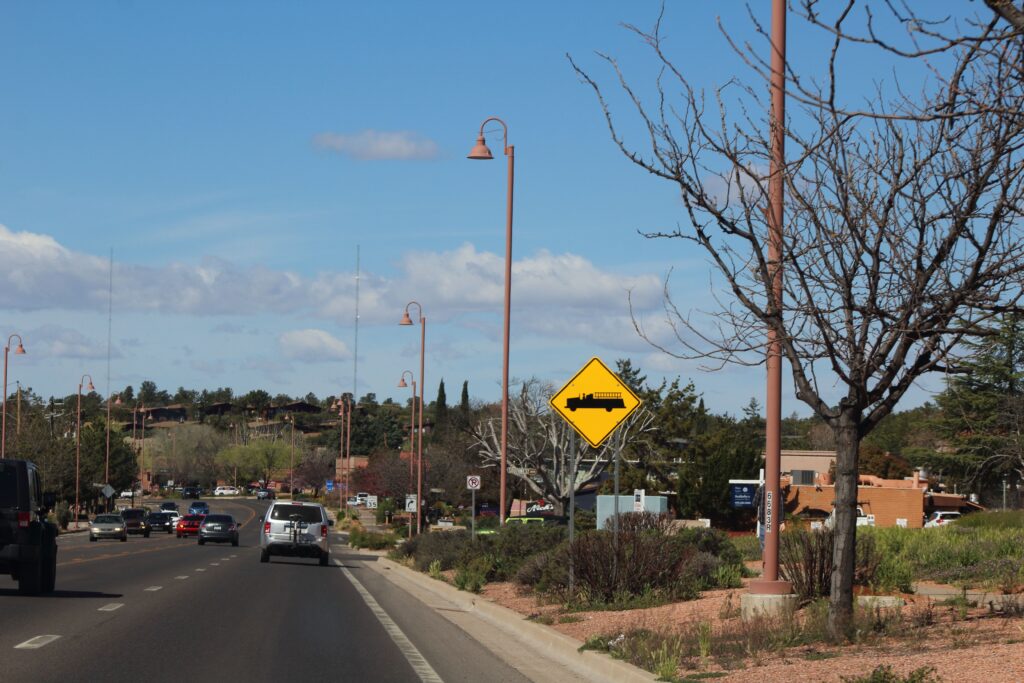
Historic commercial buildings, former hotels, railroad facilities, and public structures continue to define the appearance of downtown. Walking through the district reveals architectural styles from different periods while illustrating how the city expanded as transportation changed from rail travel to automobile tourism.
One of the most significant buildings is the Historic Powerhouse, constructed in stages between 1907 and 1917. Originally built to generate electricity for nearby mines and surrounding communities, the building later found a new purpose as a cultural and historical center.
Important attractions located within the historic district:
- Historic Powerhouse Visitor Center.
- Arizona Route 66 Museum.
- Route 66 Electric Vehicle Museum.
- Historic Route 66 Association of Arizona exhibits.
- Locomotive Park and Steam Engine No. 3759.
Museums and Transportation Heritage
The Historic Powerhouse remains one of Kingman’s best–known landmarks because it combines several museums inside a single historic building. The Arizona Route 66 Museum explains how transportation changed across the American Southwest before and after the creation of Route 66. Exhibits present early wagon travel, railroad expansion, automobile tourism, and the development of roadside communities that appeared along the famous highway.
Close by is the Kingman Railroad Museum in the historic Railroad Depot, built in 1907. The museum has artifacts related to the area’s railroad history including photos, equipment and model railroad displays that show the importance of rail transportation in the early development of Arizona.
Santa Fe Steam Engine No. 3759 has been a historical monument in Locomotive Park since 1957. The locomotive is a representation of the days when steam railroads carried passengers, freight, mining equipment and supplies all over northern Arizona before diesel locomotives became the norm.
These museums together explain how different transportation systems shaped Kingman’s economy. Railroads supported mining communities during the late nineteenth century, while Route 66 later transformed the city into a destination for automobile travelers crossing the country.
Historic Route 66 Surroundings
Several historic locations outside Kingman help preserve the wider history of Route 66.

One of the best–known landmarks is the Hackberry General Store, originally opened in 1934 after a new alignment of Route 66 passed through the small community. The building once operated as a general store and Conoco gasoline station before the construction of Interstate 40 reduced traffic along the old highway. Today it preserves historic vehicles, roadside signs, and artifacts connected with Route 66 culture.
Another important stop is the Giganticus Headicus, a 14–foot sculpture located near Antares. Created as a roadside attraction, it reflects the unusual art and creative landmarks that became associated with Route 66 during the twentieth century.
The nearby White Cliffs Wagon Trail preserves visible wagon tracks carved into stone by heavy freight wagons during the late 1800s. These routes carried ore from nearby mining districts toward railroad connections, demonstrating how transportation existed long before the arrival of automobiles.
Natural Landscapes Around Kingman
Although Kingman is closely connected with transportation history, the surrounding region also contains important natural attractions. Hualapai Mountain Park rises from approximately 4,984 feet to 8,417 feet above sea level. Pine forests, juniper woodlands, granite rock formations, and cooler temperatures create an environment very different from the nearby desert valleys.
The historic Oatman Road winds through the rugged Black Mountains, taking in one of the most scenic remaining stretches of Route 66. Sharp curves, steep grades and mountain scenery demonstrate the difficulties early motorists faced as they traveled across Arizona before the construction of modern highways.
The former mining town of Oatman is another chapter in the history of the region. The settlement was supported by gold mining in the early twentieth century. Today it is known for the historic buildings that have been preserved and the wild burros that roam the streets freely.
Today Kingman continues to preserve its transportation heritage, and is an important historical center in northwestern Arizona. Railroad markers, Route 66 museums, restored downtown buildings, and nearby mining towns all come together to tell the story of how transportation has shaped the region for more than a century. The city is not just a single historical period but a reflection of the development of wagon routes, railroads, automobile travel, and modern highways. Kingman is one of the most significant remaining Route 66 communities in the American Southwest, combining cultural heritage, historic architecture and desert landscapes to preserve important evidence of Arizona’s transportation history for future generations.